
The Difference Between a Train and a Locomotive
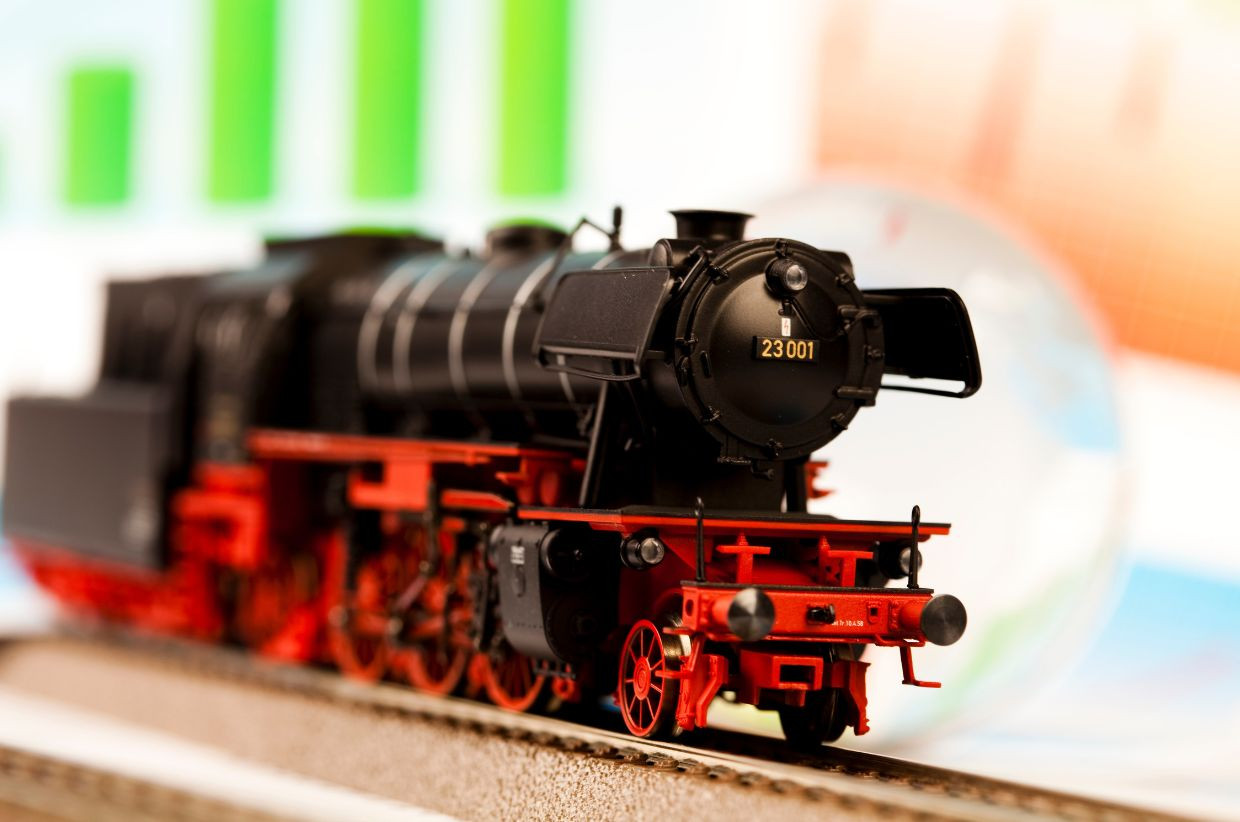
One of the challenges to getting started in model railroading is learning the terminology. You may think that these different terms don’t matter, but you’ll quickly change your mind when you end up ordering the wrong thing. In this post, we’ll go into the difference between a train and a locomotive.
All About Locomotives
Locomotive is a word that traces its roots back to Latin: loco (from a place) plus motivus (moving). In other words, a locomotive is something that “moves from a place.” Specifically, a locomotive is a train engine or power unit. It’s the part of the train that makes it move, and it can do so independently. That’s why you may occasionally see locomotives traveling without any cars behind them.
What’s in a Train?
A train, by contrast, is the whole lineup of an engine, cars, and a caboose. Train also has Latin roots, since the word trahō means to draw or pull something. So a train is a locomotive pulling a line of stock cars.
Different kinds of trains may have special types of cars, like hoppers, boxcars, and tank cars. Here are some of the most common types and examples of what they carry:
- Boxcar: packaged goods
- Covered hopper: sand, wheat, corn, fertilizer
- Flatcar: pipes, rail pieces, metal sheets
- Tank car: liquids
In addition to stock cars, some kinds of trains also carry people. These are called—you guessed it—passenger cars.
The Bottom Line
If you are looking to start collecting model trains, you’re probably not interested in just owning locomotives. That’s why it’s important to know the difference between a train and a locomotive. When most people start out, they get one locomotive plus a few additional stock cars to form the rest of the train. You can even buy kits that supply you with a complete train plus track pieces and a power source for easy building.
Midwest Model Railroad has one of the largest online collections of model train parts, including Atlas brand HO scale locomotives. We carry all of the most popular scales, in addition to an enormous selection of scenery decorations and track laying equipment. Check out our stock in person or online today!
Recent Posts
-
Metal vs Plastic Wheelsets: Pros, Cons, and How to Choose the Right Upgrade for Your Model Railroad
Metal vs Plastic Wheelsets: Pros, Cons, and How to Choose the Right Upgrade for Your Model Railroad
-
Weathering Rolling Stock for Realism: Practical Model Train Weathering Techniques That Look Like the Prototype
Weathering Rolling Stock for Realism: Practical Model Train Weathering Techniques That Look Like the
-

Understanding Model Train Wheel Sizes: Why They Matter More Than You Think
When people first get into model railroading, wheel size is rarely top of mind. Track plans