
Blog
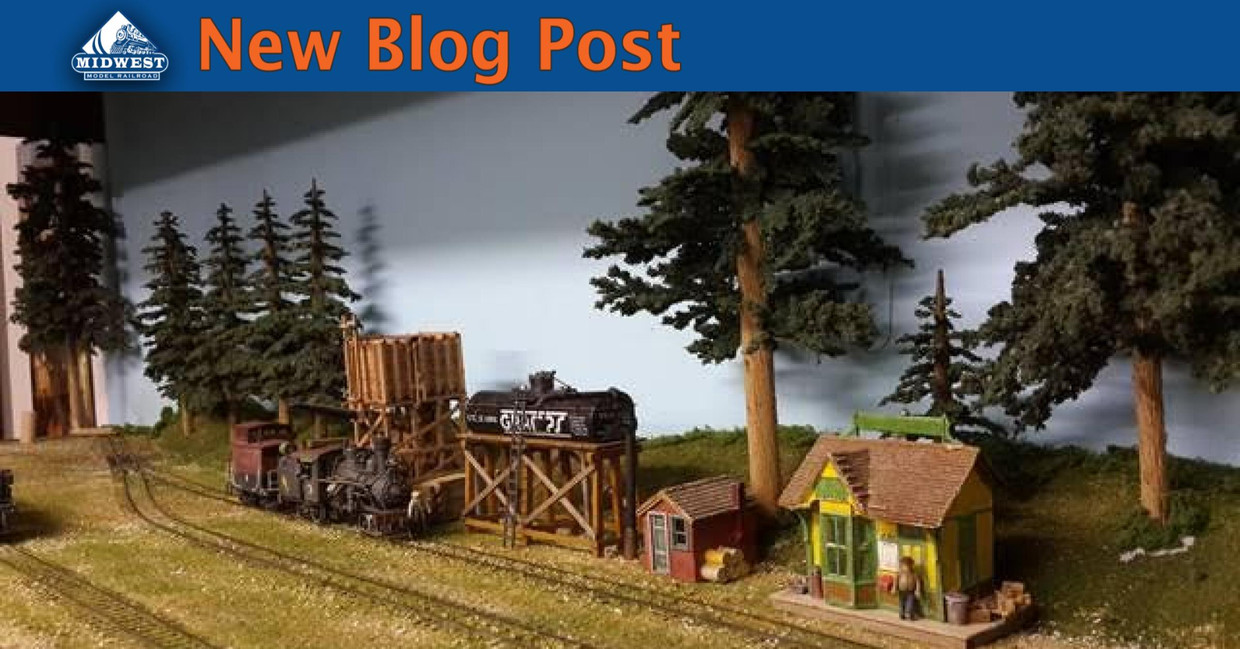
Building a Shelf Layout: Space‑Saving Tips that Run Like the Real Thing
Building a Shelf Layout: Space‑Saving Tips that Run Like the Real Thing
Published 2025-08-25 • 8–10 minute read
In this guide:
Why shelf layouts shine
Smart sizes & minimums
Track & power that just works
Operations on a shelf
Benchwork & tools
Finishing touches
FAQ
Don’t have a spare room? You don’t need one. A shelf layout turns a wall into a working railroad with staging, industries, and real operations. Because it’s shallow and eye‑level, the sce
…
28th Aug 2025
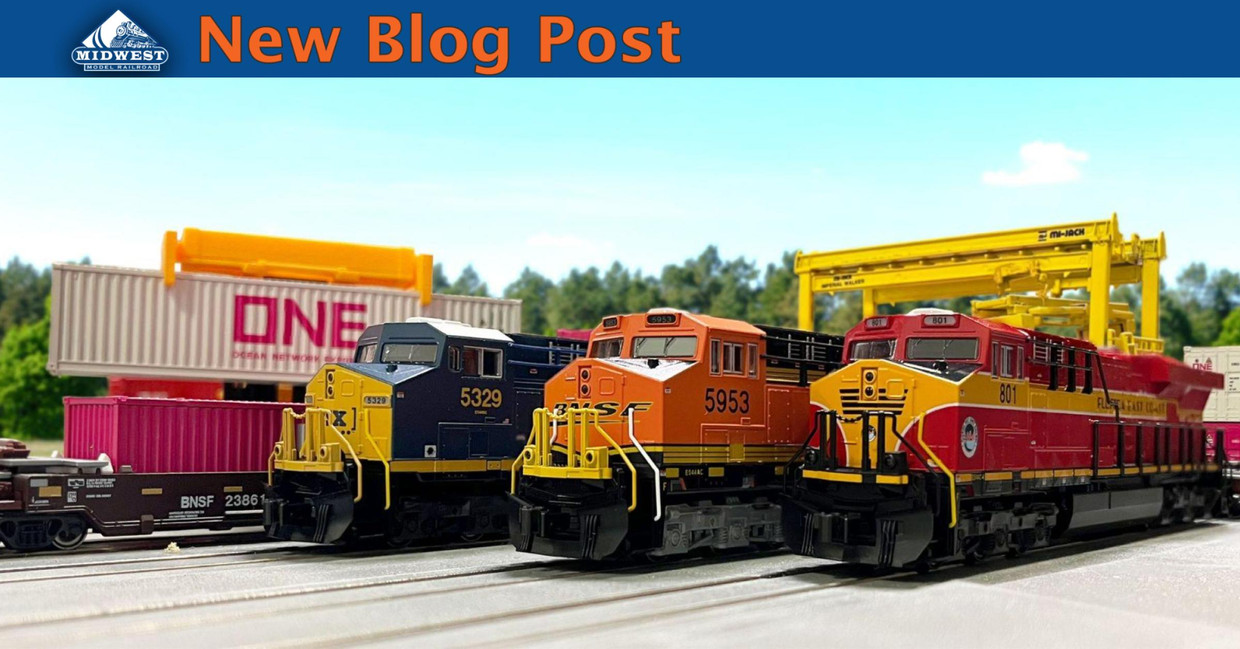
Brand Spotlight: Kato USA—From Bulletproof Unitrack to Smooth-Running Locomotives | Midwest Model Railroad
Brand Spotlight: Kato USA—From Bulletproof Unitrack to Smooth-Running Locomotives N Scale
Published 2025-08-22 • 8–10 minute read
In this guide:
Why Kato is a favorite
Unitrack: fast, clean, reliable
A starter set we love
Locomotives to match
Ways to expand your layout
FAQ
Kato has a reputation for smooth mechanisms and “it just works” track. If you’re building a compact N‑scale layout or you want weekend‑friendly setup with minimal mess, their ecosystem&
…
27th Aug 2025

Weathering 101: Fast, Realistic Techniques for Locomotives and Freight Cars | Midwest Model Railroad
Weathering 101: Fast, Realistic Techniques for Locomotives and Freight Cars
Published 2025-08-20 • 8–10 minute read
In this guide:
Mindset: less is more
Powders: fast, forgiving realism
Washes and streaks
Chipping and edge wear
Ballast dust & road grime
A simple starter kit
FAQ
Weathering is storytelling. Every streak and stain hints at years of service: hot brake dust on a boxcar, fuel drips below a cab step, sun‑faded paint near a roof walk. The secret is restraint—a
…
20th Aug 2025
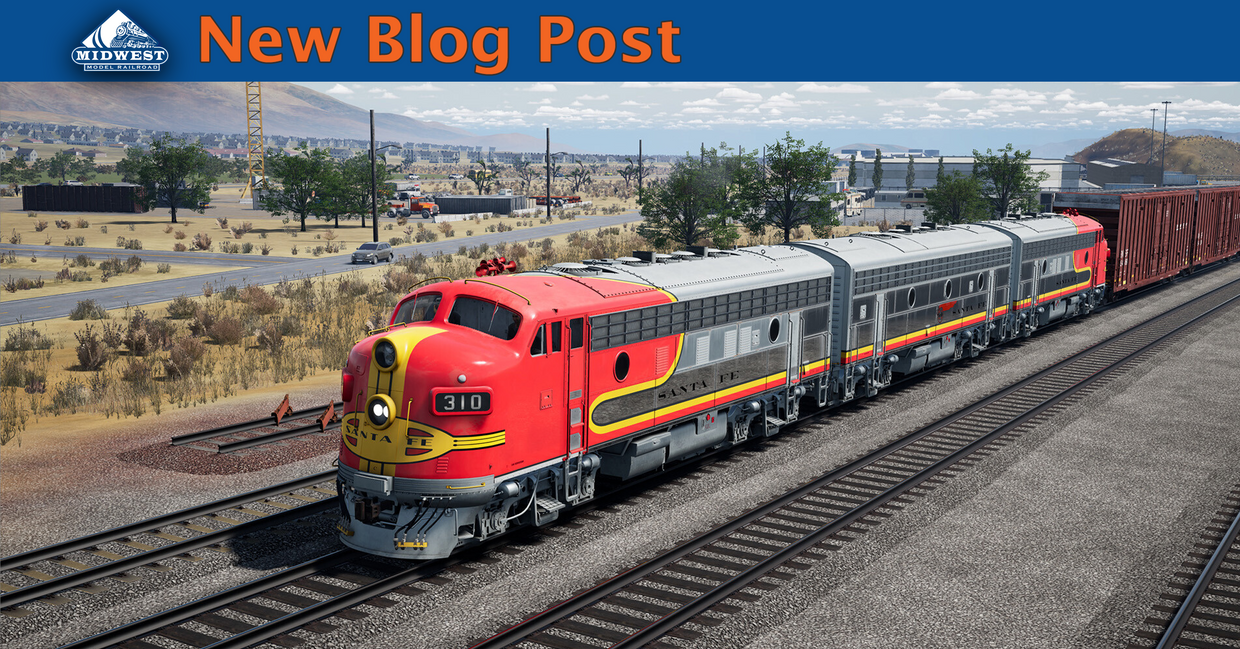
Ride the Warbonnet: Modeling Santa Fe’s Super Chief in N Scale | Midwest Model Railroad
Few passenger trains have the same pull on the imagination as the Santa Fe’s Super Chief—a streamliner dressed in iconic red‑and‑silver “Warbonnet” paint gliding across the high desert. In N scale, you can capture that cinematic look in a surprisingly compact space. This article gives you the history for context, starter gear that just works, and design tips so your Super Chief looks—and runs—like a star.Why the Super Chief still captivates Debuting in the 1930s and hitting its stride after
…
17th Aug 2025
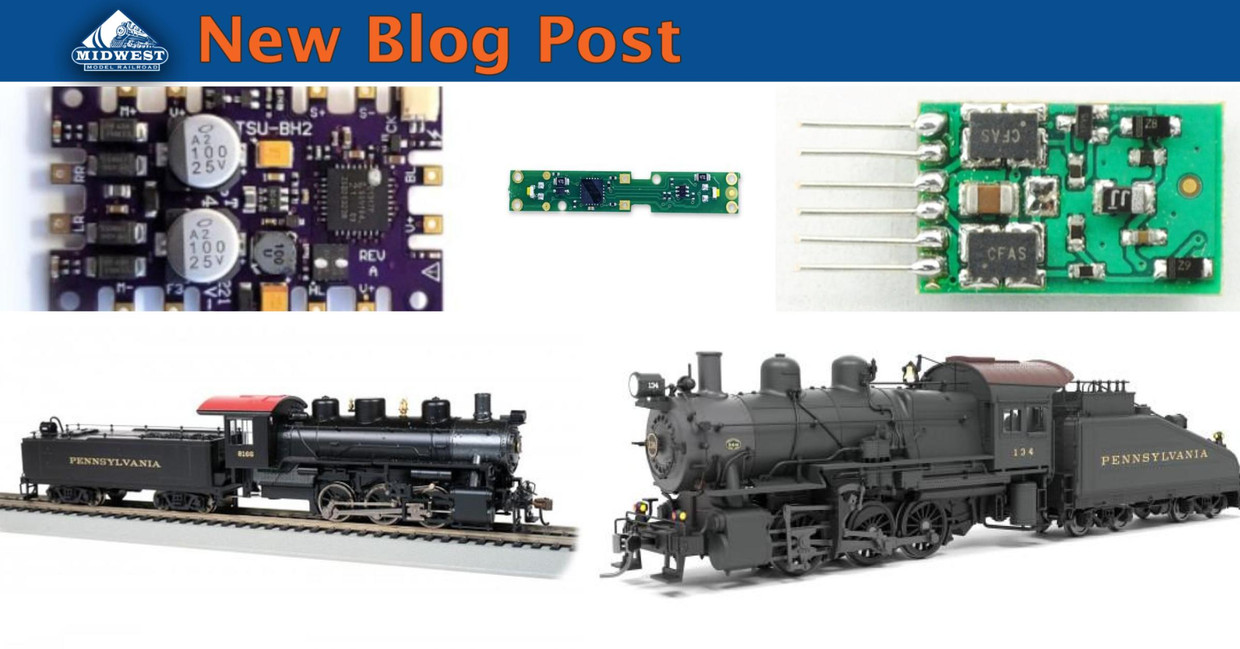
How to Install a DCC Decoder in an HO Steam Locomotive (Beginner-Friendly)
How to Install a DCC Decoder in a HO Steam Locomotive (Beginner‑Friendly)
New to DCC? This quick guide walks you through planning, wiring, testing, and installing a decoder in a HO steam locomotive—using parts and tools we trust at Midwest Model RR.
What You’ll Need
Suitable DCC decoder (check plug type and current draw)
Fine‑tip soldering iron & supplies
Heat‑shrink tubing, Kapton tape, multimeter
DCC system for programming and testing
Example: SoundTraxx MC1H104P21 21‑pin d
…
14th Aug 2025
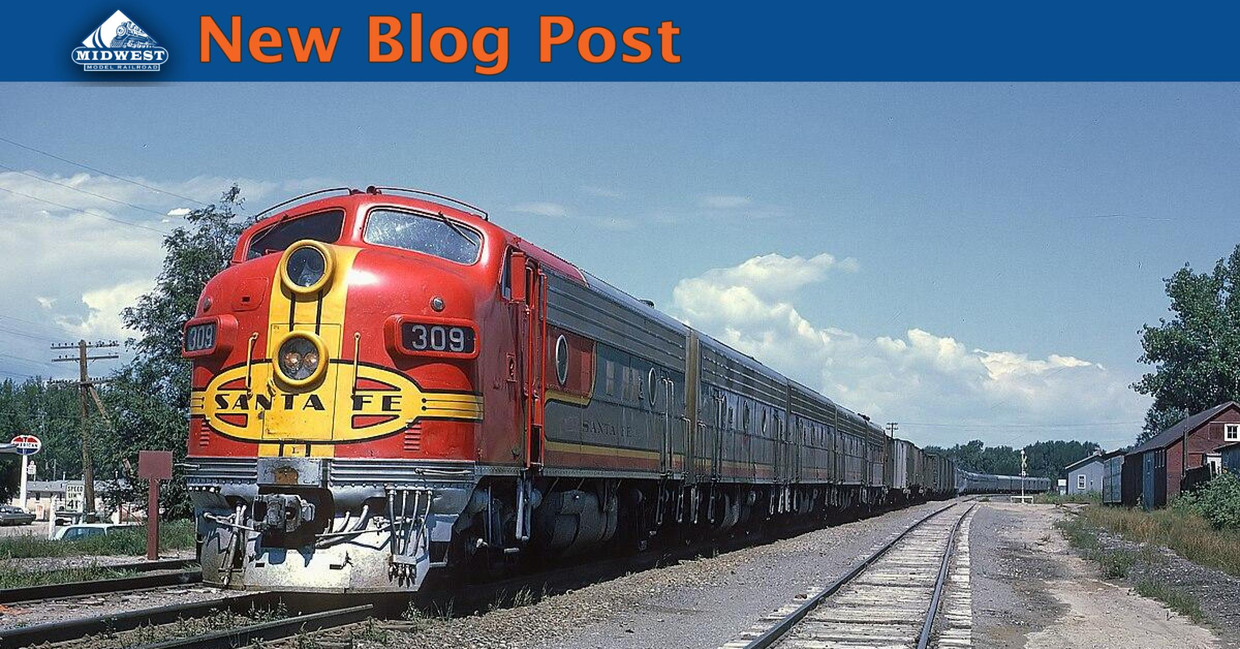
Prototype Spotlight: EMD F7 — The Covered Wagon That Won America
Prototype Spotlight: EMD F7 — The Covered Wagon That Won America
From the late 1940s through the ’50s, EMD’s F‑series diesels hauled everything from transcontinental passenger varnish to heavy manifest freights. The F7, with its bulldog nose and carbody “covered wagon” profile, became the face of dieselization.
Modern F7 in HO: Athearn Genesis detail and Tsunami2 sound options.
Model It
Athearn Genesis HO F7A (pre‑order) — exquisite details and Tsunami2 op
…
12th Aug 2025
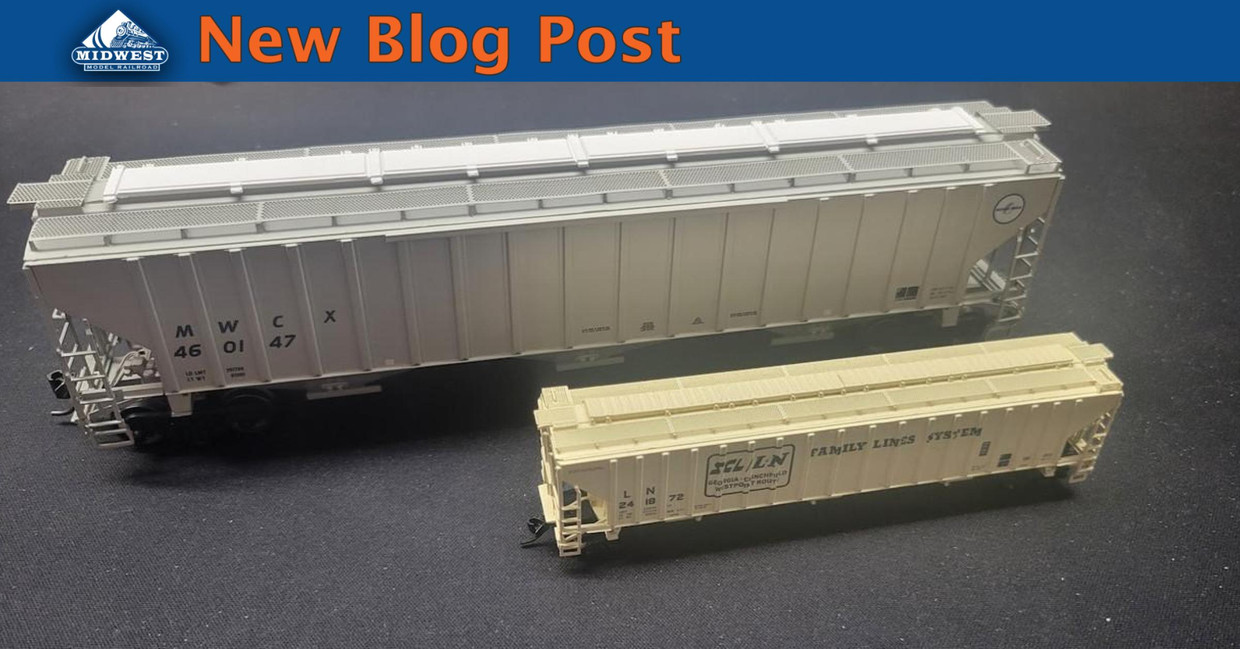
HO vs. N Scale: Which Model Train Scale Fits Your Layout, Budget, and Space?
HO vs. N Scale: Which Model Train Scale Fits Your Layout, Budget, and Space?
Finding your “home scale” is the first big step into the hobby. Around Kansas City we see two clear winners: HO for its balance of size and detail, and N for building a lot of railroad in a small footprint. Here’s how to pick like a pro—plus hand‑picked products to get rolling fast.
Size & Space
HO scale (1:87) is big enough for super detailing and easy handling. A simple oval can live on a
…
11th Aug 2025
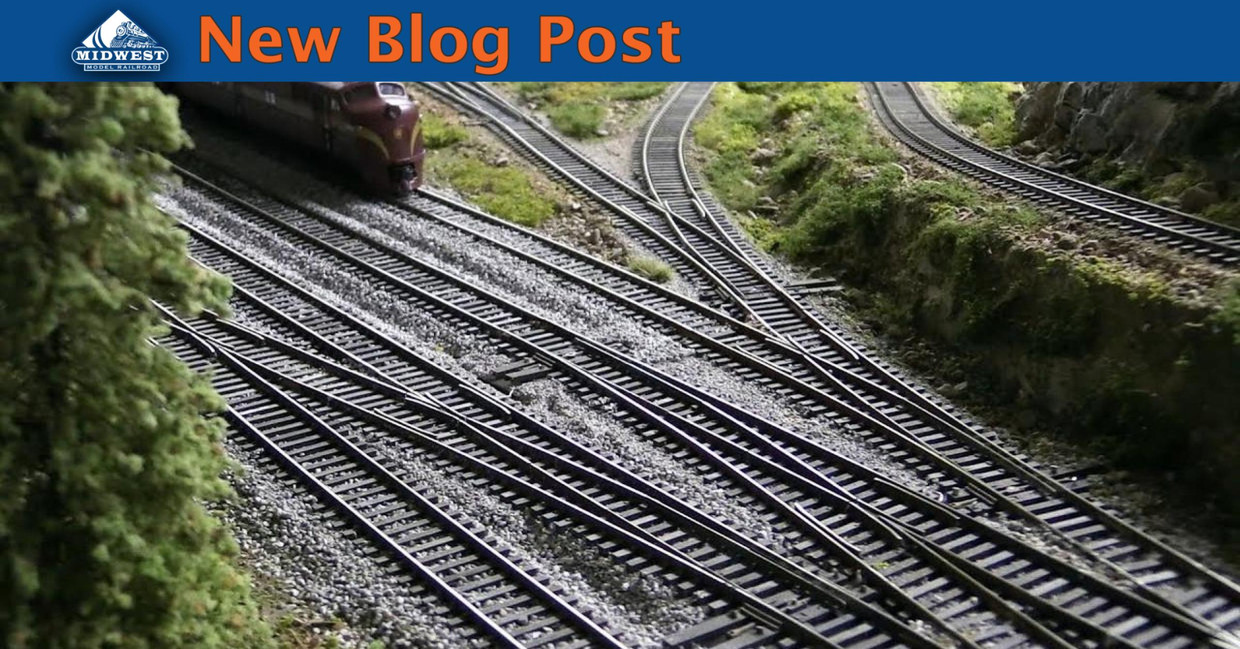
HO Track Codes Explained: Why Code 83 is the Perfect Balance of Realism and Reliability
HO Track Codes Explained: Why Code 83 is the Perfect Balance of Realism and Reliability
If you’ve ever browsed HO scale track and wondered what “Code 83” or “Code 100” means, you’re not alone. These numbers are simply the height of the rail in thousandths of an inch — Code 83 is 0.083" tall, while Code 100 is 0.100". That tiny difference can have a big impact on how your layout looks and runs.
Why Code 83 is the Modern Standard
For most contemporary layo
…
10th Aug 2025
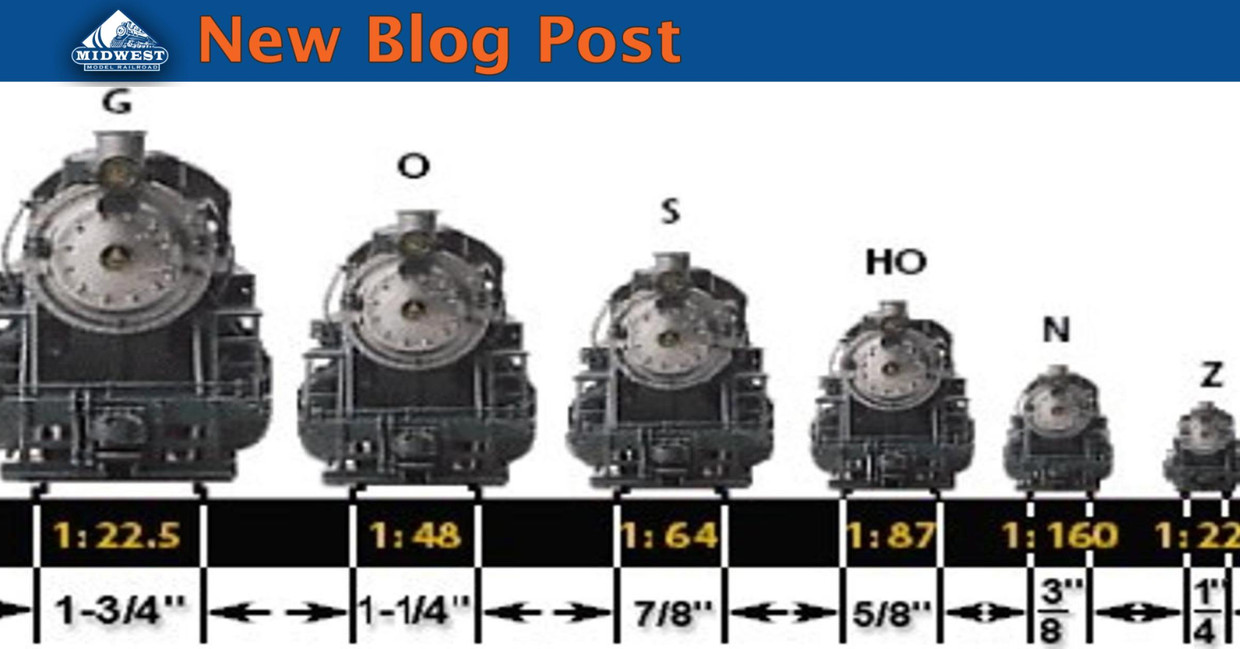
HO vs N Scale: Choosing the Right Size for Your Layout
HO vs. N Scale: Which Model Train Scale Fits Your Layout, Budget, and Space?
Finding your “home scale” is the first big step into the hobby. Around Kansas City we see two clear winners: HO for its balance of size and detail, and N for building a lot of railroad in a small footprint. Here’s how to pick like a pro—plus hand‑picked products to get rolling fast.
Size & Space
HO scale (1:87) is big enough for super detailing and easy handling. A simple oval can live on a
…
10th Aug 2025
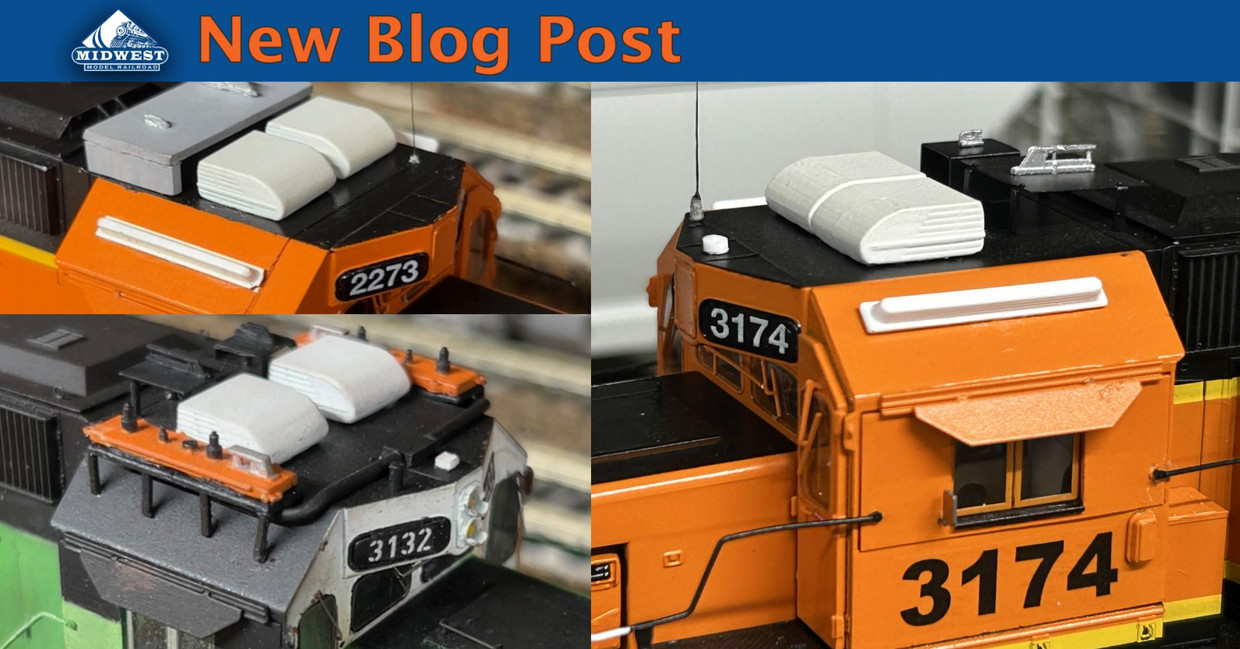
Extreme Detailing in Model Railroading: How to Create Ultra-Realistic Train Layouts
? Extreme Detailing in Model Railroading: Turning Miniatures into Masterpieces
Model railroading has always been a blend of artistry, engineering, and storytelling. But today, a growing number of hobbyists are embracing extreme detailing—an approach that takes realism to the next level. Think weathered rolling stock, hyper-accurate scenery, and scratch-built structures that look like they were lifted straight out of the real world.
If you're ready to push your layout beyond the basics, thi
…
10th Jun 2025