

Description
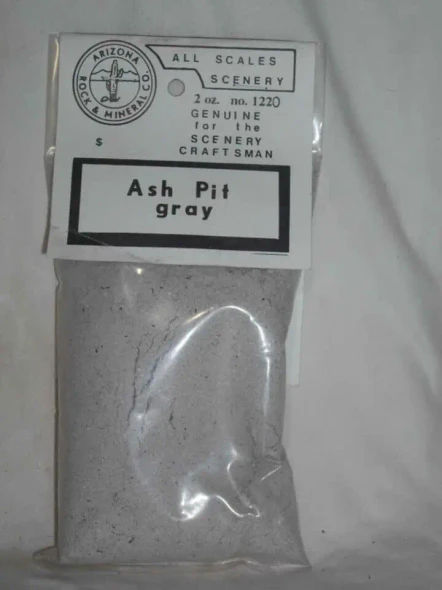
The 2000 Bag Industrial Dirt Powder captures the harsh, dark tone of soil exposed to decades of locomotive soot, oil, and weathering. It’s ideal for creating rail yard foundations, factory zones, and maintenance tracks. Whether you’re modeling a diesel repair facility or freight terminal, this powder adds visual weight and historical realism to the ground surface.
Our powder blends fine-grit particles with a dusty brown-black tint. This effect replicates compacted dirt soaked with oil and grease. It’s especially useful around locomotive service areas, turntables, car shops, and mechanical sheds. With proper layering, you can simulate depth, age, and industrial wear with little effort.
Railroads That Used This Type of Dirt
This dirt belongs in places where engines idled and crews got their hands dirty.
You’d find similar terrain throughout American rail hubs from the 1930s to today. The Southern Pacific, Santa Fe, Penn Central, and Conrail all had service tracks covered in layers of waste-soaked soil. It also matches postwar zones operated by Norfolk Southern or BNSF, where old cinder paths gave way to compacted earth crusted in grime. Whether it’s Chicago’s clearing yards or New Jersey’s engine alleys, this material makes your layout look lived-in.
What the Rock Is and Why It Works
We crush Arizona shale into ultra-fine texture to simulate rail-worn dirt.
This product isn’t dyed. It uses real sedimentary rock hand-sifted for a dusty, sooty look. The rock’s origin gives it natural gray-brown tones without added pigments. It appears dark under layout lights but still holds surface detail when dry-brushed or blended with nearby gravel. The fine grain lets you smooth it around rails, building edges, or junk piles.
Pair it with ash piles, rust patches, or oil stains to enhance depth. When misted with diluted glue, it hardens while retaining its rough, crusty appearance.
Layout Use Tips for Industrial Dirt Powder
Use it where realism calls for heavy grime and surface breakdown.
Spread with a dry brush or tap from a Dixie cup near oil pits, diesel tracks, and fuel tanks. It works well under sanding towers, old cranes, or boxcar loading doors. For added realism, mix it with Cinders or Yard Mix. Some modelers add tire-track impressions or embed tool clutter before sealing. Once set, this powder stays matte and gritty under layout lighting.
Because it’s true rock, it won’t fade or turn sticky. You can vacuum and repaint scenes later without dislodging this base layer.
Why You Need to Buy These
This powder gives your layout the grit of real railroading.
Other scenery brands use dyed foam or walnut shells, but they look too clean. Industrial Dirt Powder is actual crushed rock, sorted by hand in Arizona. It looks real because it is real. And since no two batches are exactly alike, your scene always has natural variation. Every bag helps you model the dirt railroads left behind—not the polished version you see in photos, but the grime that built America.
Details
Store Location: |
P# 256 / Aisle 14C #floor |
Scale: |
Multi Scale |