
Building a Shelf Layout: Space‑Saving Tips that Run Like the Real Thing
Building a Shelf Layout: Space‑Saving Tips that Run Like the Real Thing
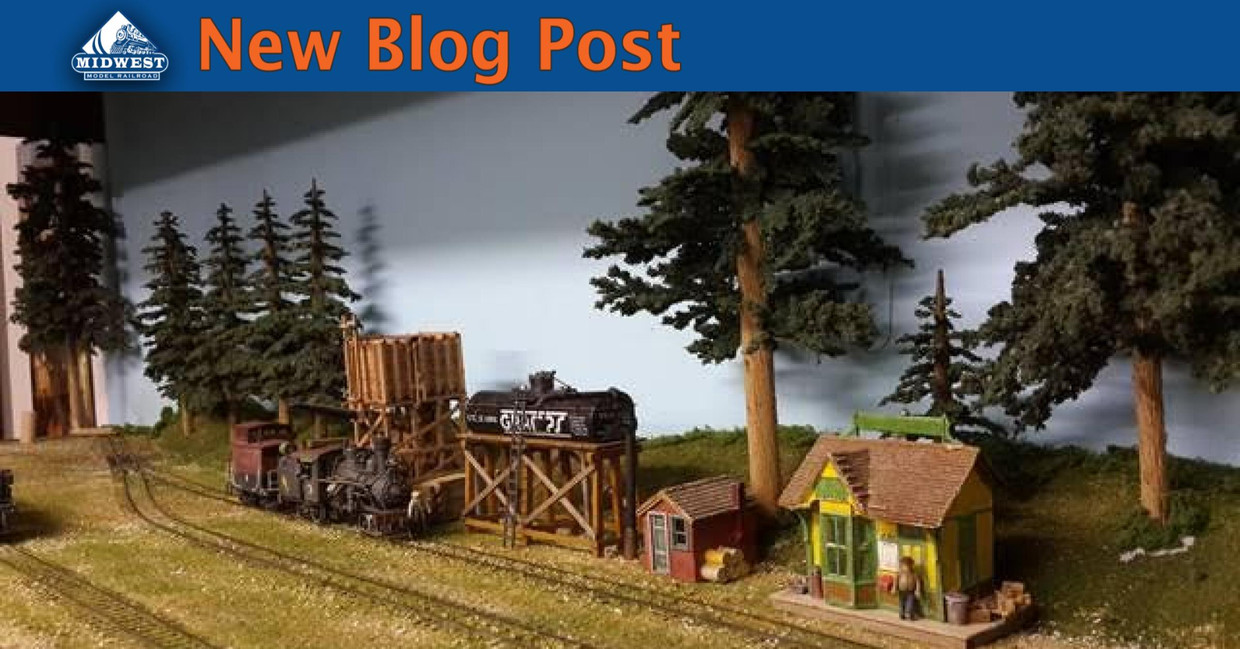
Don’t have a spare room? You don’t need one. A shelf layout turns a wall into a working railroad with staging, industries, and real operations. Because it’s shallow and eye‑level, the scene looks like a high‑end diorama—but you still get continuous running with removable corner modules or a return loop when you want it.
The secret is thoughtful geometry. Curves, easements, and turnout choice matter more when depth is limited. This guide covers reliable dimensions, track choices, and must‑have tools so your small railroad runs like the big ones.
Smart sizes & minimums
Depth: In HO, 16–24″ is the sweet spot—enough for a mainline, siding, and scenery layers without overreaching. In N, 10–14″ feels generous. Keep taller structures toward the back so elbows don’t snag details during switching.
Curves: Passenger cars and six‑axle diesels reward broad curves. On shelves, think 18–22″ radius minimum in HO (bigger if you can) and 9¾–11″ in N for industrial scenes. Add easements (a gentle spiral) so couplers don’t lurch entering curves.
Turnouts: Use #6 on the main and #4 in tight industrial spurs. A single #6 crossover near the middle of the shelf unlocks meets and run‑arounds without eating depth.
Track & power that just works

For N scale, Kato Unitrack is the go‑to. The molded roadbed keeps rails steady, the joiners hold up to dozens of reconfigurations, and the geometry is documented so passing sidings and crossovers “just fit.”
In HO, start with our Code 83 track & accessories for realistic rail height, then power it with a dependable DCC system so multiple locomotives can crawl smoothly while headlights, markers, and sound stay independent.

Tip: run a basic loop or starter set for a week before gluing anything. You’ll catch track kinks and wiring gremlins early.
Operations on a shelf
Operations make a narrow railroad feel big. Place a passing siding near your industries so a local can meet a through freight, or stage a short passenger stop. Add two industries—a team track and a warehouse—and you’ve got legitimate work for an hour‑long session.
- Staging: A sector plate or cassette at the end lets you swap trains without handling every car.
- Switching puzzles: An industry with limited run‑around space forces interesting moves.
- Photo ops: A highway overpass or depot platform gives railfan angles with depth.
Benchwork & tools
Light, stiff, and straight wins. Frame with 1×3 or 1×4 pine, top with 1/2″ plywood or foam, and mount to studs with shelf brackets so floors stay clear. Keep wiring neat with color‑coded bus and feeders: red/black for rails, green for accessories.
- Grab essentials in our tools department—flush cutters, square, small level, and a countersink bit.
- Use reliable adhesives for cork, foam, and scenery layers.
Finishing touches
Backdrops: A soft sky gradient and low skyline add depth without eating inches. A peninsula corner is the perfect place for a photo backdrop curve to banish hard 90‑degree seams.
Lighting: LED strips under a shallow valance deliver consistent color and eliminate shadows. If you photograph your layout, aim for 4000–5000K.
Scenery: Low scrub, weeds, and a ditch fit a shallow scene. Save tall trees for corners where trunk height can hide the radius.
Ready to build?
Shop Kato Unitrack Browse HO Track Explore DCC Systems
FAQ
- How deep should my shelf be?
- HO: 16–24″. N: 10–14″. Deeper corners help with broader curves and scenic transitions.
- What turnout size is best?
- #6 on the main for reliability; #4 in tight industrial spurs if needed.
- Can I add a loop for continuous running?
- Yes—clip‑on corner modules stored in a closet turn a point‑to‑point shelf into a loop on operating night.
Recent Posts
-
Weighting Freight Cars for Better Performance: NMRA Standards, Practical Methods, and Tracking Tips
Weighting Freight Cars for Better Performance: NMRA Standards, Practical Methods, and Tracking Tips
-
Metal vs Plastic Wheelsets: Pros, Cons, and How to Choose the Right Upgrade for Your Model Railroad
Metal vs Plastic Wheelsets: Pros, Cons, and How to Choose the Right Upgrade for Your Model Railroad
-
Weathering Rolling Stock for Realism: Practical Model Train Weathering Techniques That Look Like the Prototype
Weathering Rolling Stock for Realism: Practical Model Train Weathering Techniques That Look Like the