null

Understanding Model Train Wheel Sizes: Why They Matter More Than You Think
Understanding Model Train Wheel Sizes: Why They Matter More Than You Think

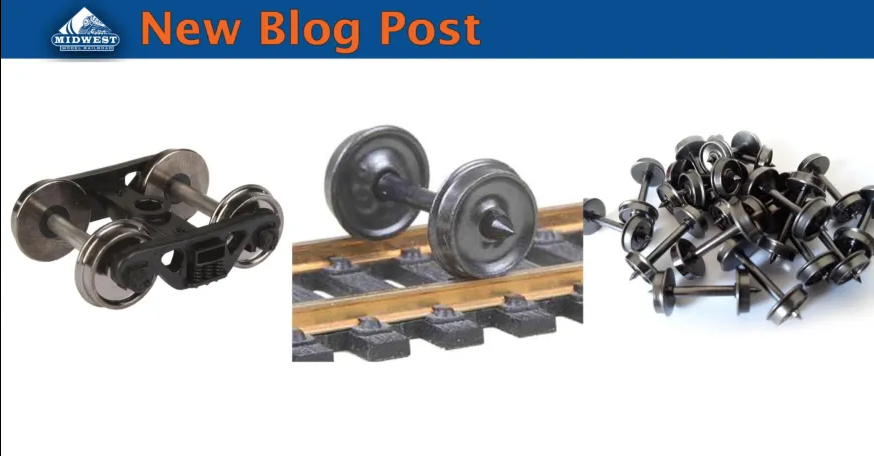
When people first get into model railroading, wheel size is rarely top of mind. Track plans, locomotives, scenery, and control systems usually steal the spotlight. But wheel size—both diameter and profile—plays a surprisingly important role in how your trains look, run, and interact with the track.

Whether you’re building a realistic layout or just want smoother operation, understanding model train wheel sizes can make a noticeable difference.


What Does “Wheel Size” Mean in Model Railroading?

In model trains, wheel size usually refers to two main things:

  1. Wheel diameter – The size of the wheel, typically measured in scale inches (for prototype accuracy) or millimeters.

  2. Wheel profile – The shape of the tread and flange, including how deep the flange is.

Both factors affect realism, compatibility, and performance.


Wheel Sizes by Scale

Different model railroad scales use different wheel sizes to match real-world prototypes.

HO Scale (1:87)

HO scale is the most common scale, and wheel sizes are often listed in prototype inches:

  • 33-inch wheels – Common on freight cars

  • 36-inch wheels – Often used on passenger cars and some modern freight equipment

  • 38-inch wheels – Seen on heavy-duty or specialized rolling stock

HO wheels are usually available in both plastic and metal, with metal wheels increasingly popular for better tracking and cleanliness.

N Scale (1:160)

N scale wheels are much smaller and more sensitive to track quality:

  • Common diameters include 28″ and 33″ equivalents

  • Low-profile flanges are preferred for realism, but they demand well-laid track

O Scale (1:48)

O scale wheels are larger and more visually prominent:

  • Wheel size accuracy becomes very noticeable

  • Flange depth varies widely depending on whether the equipment is traditional, scale, or hi-rail


Wheel Profile: Flanges and Standards

Older model trains often used deep flanges, sometimes called “pizza cutters.” These oversized flanges helped trains stay on rough track but look unrealistic by modern standards.

Today, many modelers prefer low-profile wheels, which offer:

  • Better scale appearance

  • Compatibility with fine-scale track

  • Smoother operation on well-maintained layouts

Common standards include:

  • NMRA RP-25 (HO) – A widely accepted compromise between realism and reliability

  • Fine-scale standards – More accurate, but less forgiving of poor trackwork


Plastic vs. Metal Wheels

Wheel size isn’t the only choice—you’ll also decide on material.

Plastic wheels

  • Lightweight

  • Often included with entry-level rolling stock

  • Can attract dirt more easily

Metal wheels

  • Heavier, improving tracking

  • Roll more freely

  • Help keep rails cleaner

  • Often available in more accurate sizes

Many hobbyists upgrade to metal wheels once they understand the benefits.


Why Wheel Size Matters

Choosing the right wheel size affects several aspects of your layout:

  • Realism – Correct wheel diameter improves the overall look of your trains

  • Performance – Properly sized wheels reduce derailments and wobble

  • Compatibility – Wheels must match your track standards and turnout geometry

  • Maintenance – Better wheels mean cleaner track and fewer issues over time


Tips for Choosing the Right Wheels

  • Check prototype photos of the car you’re modeling

  • Match wheel size to era (older freight cars often used smaller wheels)

  • Ensure your track and turnouts can handle low-profile wheels

  • Replace wheels in sets to keep rolling resistance consistent


Final Thoughts

Model train wheel sizes may seem like a small detail, but they have an outsized impact on how your railroad looks and operates. By paying attention to diameter, profile, and material, you can elevate your layout from “good enough” to genuinely impressive.

In model railroading, it’s often the little things—like the wheels beneath your trains—that make the biggest difference. ?

15th Jan 2026 Midwest Model Railroad

Recent Posts

Don't Miss Out