
Weathering 101: Fast, Realistic Techniques for Locomotives and Freight Cars | Midwest Model Railroad

Weathering 101: Fast, Realistic Techniques for Locomotives and Freight Cars
Weathering is storytelling. Every streak and stain hints at years of service: hot brake dust on a boxcar, fuel drips below a cab step, sun‑faded paint near a roof walk. The secret is restraint—apply thin layers, step back, and stop before you think you’re “done.” Natural variation looks right; uniform grime rarely does.
Powders: fast, forgiving realism

Weathering powders are dry pigments that brush on and blend easily. They’re ideal for truck sideframes, roof panels, and car ends where dirt collects. Start with earth tones, soot, and light gray for dusting. Seal with a light mist of clear flat, or leave unsealed on low‑touch areas for a softer look.
A one‑box solution is the Monroe Models 493‑3100 Weathering Powder Assortment. The set spans chalky white through dark earth and rust, perfect for freights from fresh to filthy. For liquid effects (oil, fuel, or rain), explore Vallejo Weathering Effects jars—they flow into recesses and dry with convincing satin or matte sheens.
Washes and streaks
A wash is thinned paint that settles into seams and rivets to add depth. Use dark brown or black around grills and panels; wipe back high spots to keep contrast subtle. For rain marks and downward streaks, load a fine brush, touch a panel line, and pull straight down in one motion. Repeat with two or three tones so it doesn’t look “copy‑pasted.”
Chipping and edge wear
On handrails, steps, and door edges, tiny chips suggest hard daily use. Stipple dark brown with a fine sponge, then add a smaller spot of metallic or primer color inside a few chips. Concentrate around latches and grab irons—high‑touch spots wear first.
Ballast dust & road grime
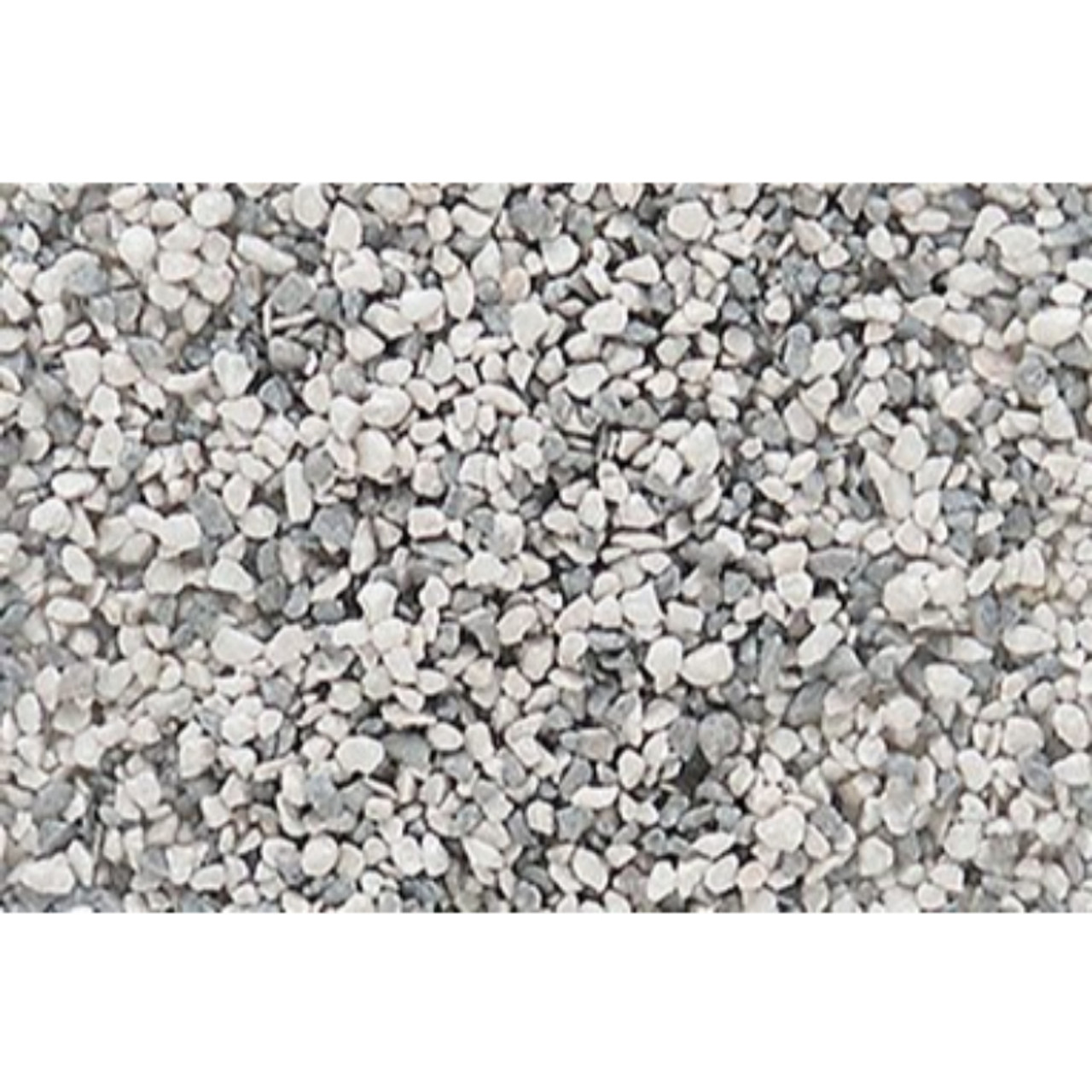
Trains kick up dust. On diesels, aim a light gray‑brown along the sill and pilot; on freight cars, fade lower panels and trucks. Match dust tone to your layout’s ballast: cool gray blends for mainlines, warmer browns for branch lines. See our ballast selection to color‑match powders and washes to the stones under your rails.
A simple starter kit
- Powders: The Monroe Models 8‑pack covers rust, soot, and dust.
- Liquids: Pick three from Vallejo Weathering Effects—engine grime, fuel stains, rain marks.
- Brushes & tools: Soft makeup brushes for dusting, a fine round for streaks, and tweezers/knives from our tools aisle.
- Topcoat: Matte clear to lock in high‑touch areas.
Ready to try? Start with Powders Browse Weathering Kits
FAQ
- Should I seal powders?
- Seal high‑touch areas (handrails, ladders). Leave roof and truck dust unsealed if you prefer a soft, realistic finish.
- Will weathering hide factory details?
- It should enhance them. Keep washes thin so rivets and grills pop instead of getting buried.
- What’s a good first project?
- A boxcar or diesel fuel tank. Both reward light dusting and a few targeted streaks.
Recent Posts
-
Weighting Freight Cars for Better Performance: NMRA Standards, Practical Methods, and Tracking Tips
Weighting Freight Cars for Better Performance: NMRA Standards, Practical Methods, and Tracking Tips
-
Metal vs Plastic Wheelsets: Pros, Cons, and How to Choose the Right Upgrade for Your Model Railroad
Metal vs Plastic Wheelsets: Pros, Cons, and How to Choose the Right Upgrade for Your Model Railroad
-
Weathering Rolling Stock for Realism: Practical Model Train Weathering Techniques That Look Like the Prototype
Weathering Rolling Stock for Realism: Practical Model Train Weathering Techniques That Look Like the