
Blog
Weighting Freight Cars for Better Performance: NMRA Standards, Practical Methods, and Tracking Tips
Weighting Freight Cars for Better Performance: NMRA Standards, Practical Methods, and Tracking Tips
Reliable operation is what turns a loop of track into a railroad. If you’ve ever watched a freight car “hunt” side-to-side, stringline on a curve, tip outward on a superelevation, or derail for no obvious reason, there’s a good chance the culprit isn’t your locomotive—it’s the car. Weighting freight cars is one of the simplest, most powerful upgrades you can make for smoother switching, fewer der
…
30th Jan 2026
Metal vs Plastic Wheelsets: Pros, Cons, and How to Choose the Right Upgrade for Your Model Railroad
Metal vs Plastic Wheelsets: Pros, Cons, and How to Choose the Right Upgrade for Your Model Railroad If you’ve ever chased intermittent derailments, mysterious stalling, or recurring dirty track problems, you’ve already learned a core truth of the hobby: your trains only run as well as their wheels and track allow. Wheelsets look simple, but they’re one of the biggest “small parts” that influence reliability, realism, and maintenance on a layout. In this guide, you’ll learn the real-world differe
…
18th Jan 2026
Weathering Rolling Stock for Realism: Practical Model Train Weathering Techniques That Look Like the Prototype
Weathering Rolling Stock for Realism: Practical Model Train Weathering Techniques That Look Like the Prototype Clean, glossy freight cars look great in a display case—but on a working railroad, they can make even the best scenery feel “toy-like.” In this beginner-friendly (but detail-rich) guide to weathering model trains, you’ll learn how to turn factory-fresh rolling stock into equipment that looks like it’s earned its miles. We’ll focus on weathering rolling stock the way real railroads age i
…
18th Jan 2026
Understanding Model Train Wheel Sizes: Why They Matter More Than You Think
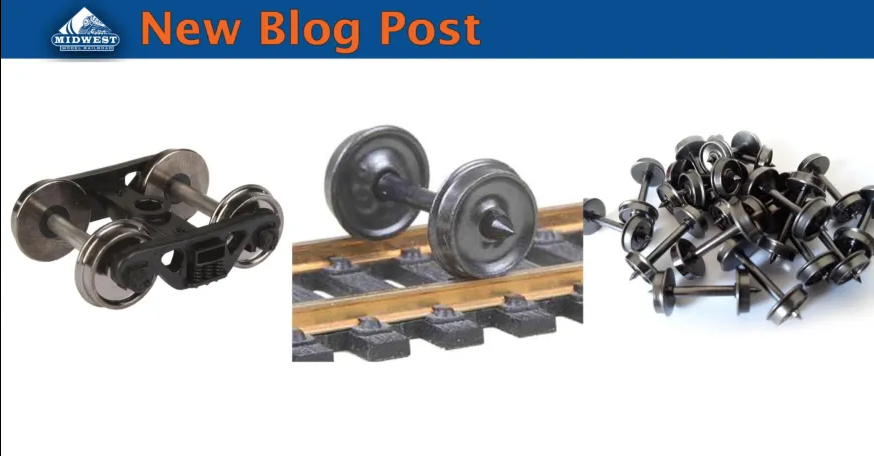
When people first get into model railroading, wheel size is rarely top of mind. Track plans, locomotives, scenery, and control systems usually steal the spotlight. But wheel size—both diameter and profile—plays a surprisingly important role in how your trains look, run, and interact with the track.
Whether you’re building a realistic layout or just want smoother operation, understanding model train wheel sizes can make a noticeable difference.
What Does “Wheel S
…
15th Jan 2026
Prototype Spotlight: GE ES44AC — Modeling a Modern Freight Workhorse
Prototype Spotlight: GE ES44AC — Modeling a Modern Freight Workhorse
Published 2025-09-29• 8–10 minute read
In this guide:
What is an ES44AC?
Where you’ll see them
Modeling suggestions
What to buy
Operations & layout ideas
FAQ
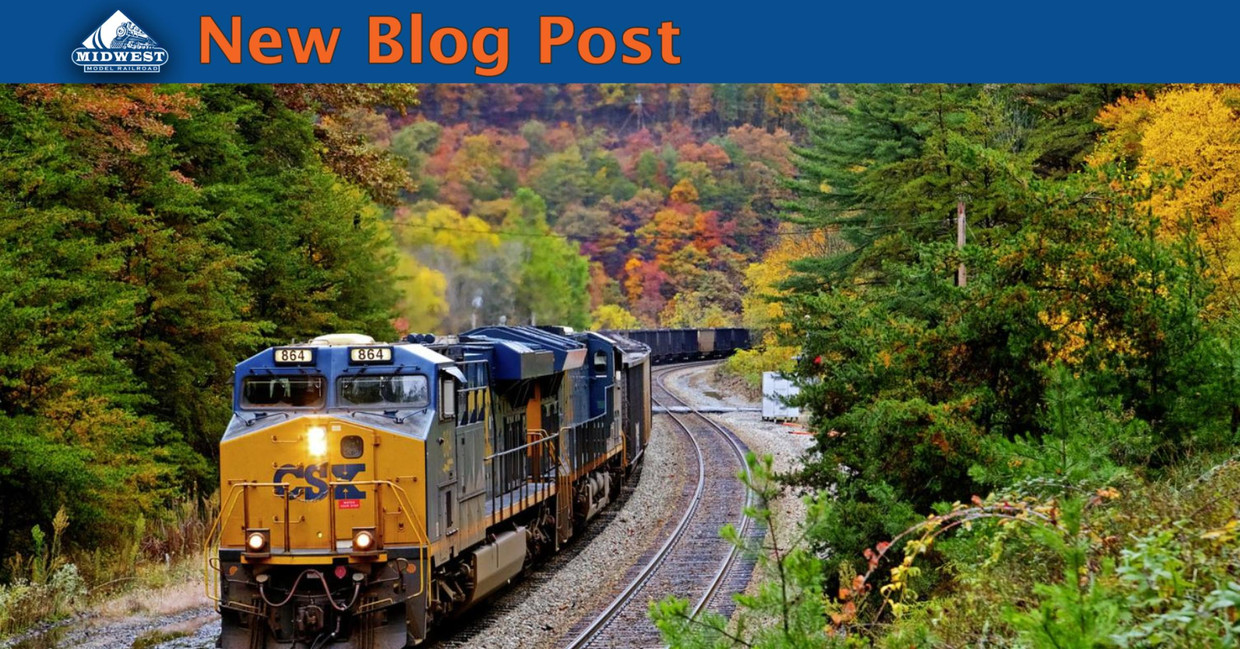
GE’s ES44AC—part of the Evolution Series—has become the face of modern North American freight. With 4,400 horsepower, AC traction, and contemporary emissions controls, it’s a staple on heavy mainline assignments. For
…
29th Sep 2025
How to Build a Realistic Freight Yard: Flow, Trackwork, and Car Management
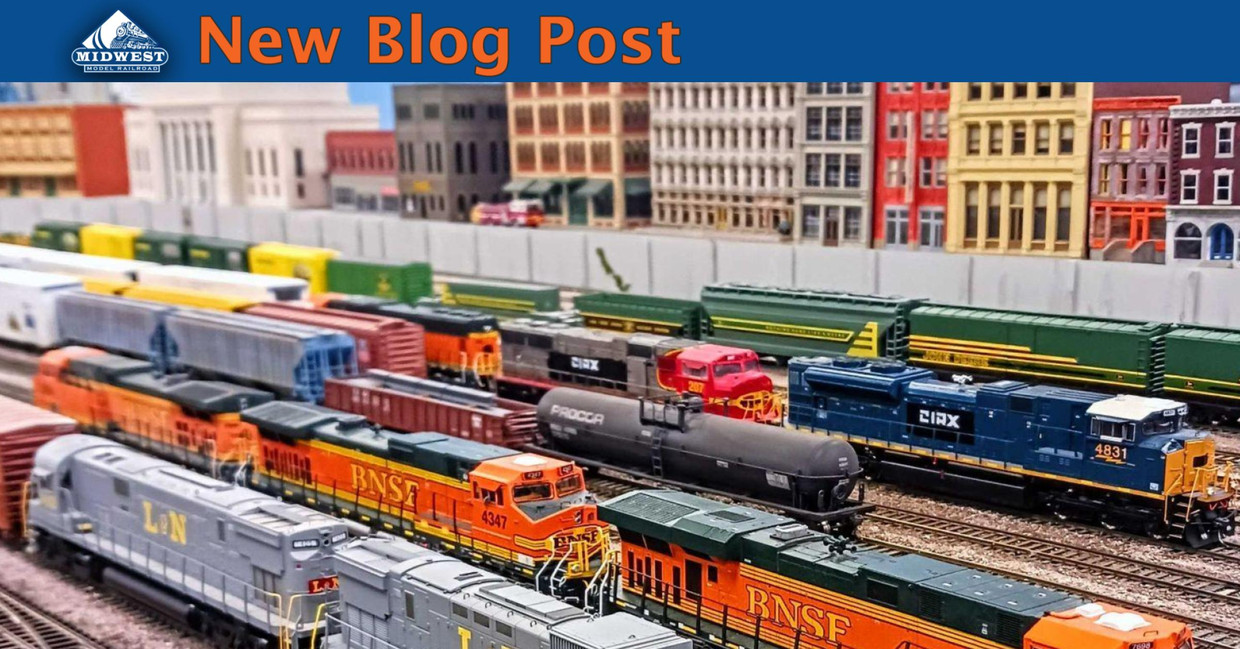
How to Build a Realistic Freight Yard: Flow, Trackwork, and Car Management
Published 2025-09-25 • 8–10 minute read
In this guide:
Yard roles that matter
Designing the ladder
Essential tracks
Operating the yard
Parts & tools
FAQ
A good yard is more than a parking lot—it’s a workflow. Cars arrive, get classified, and depart on time. Even in a small space, you can model that flow with a short ladder, two to four classification tracks, and a run‑around lead that does
…
25th Sep 2025
Scenery Basics: From Foam to Foliage — A Quick, Budget-Friendly Guide | Midwest Model Railroad
Modeling Tutorial
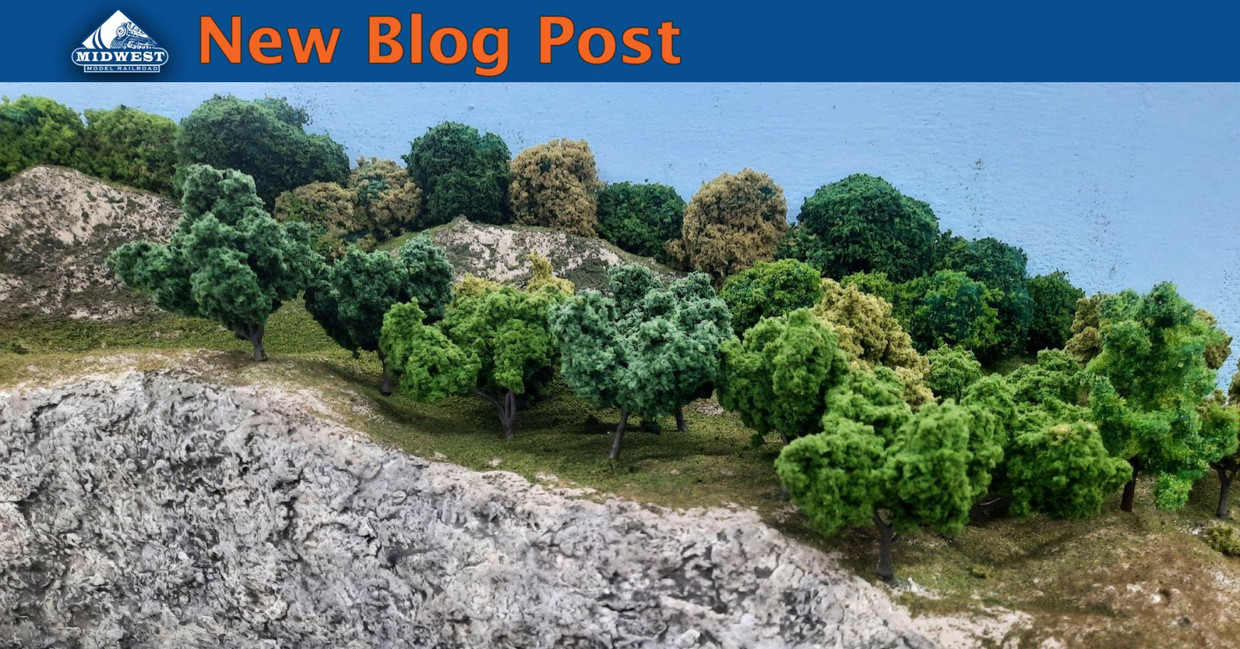
Scenery Basics: From Foam to Foliage
Published 2025-09-23 · 7–9 minute read
Lightweight foam makes fast, clean terrain forms—perfect for quick builds on a budget.
Scenery is where a layout comes alive. With a smart sequence—lightweight foam for bulk, a plaster‑cloth shell for strength, and layered textures for realism—you can turn benchwork into a believable landscape over a weekend. This guide blends quick‑build methods, budget‑friendly ch
…
23rd Sep 2025
How to Use NMRA Standards Gauges
How to Use NMRA Standards Gauges
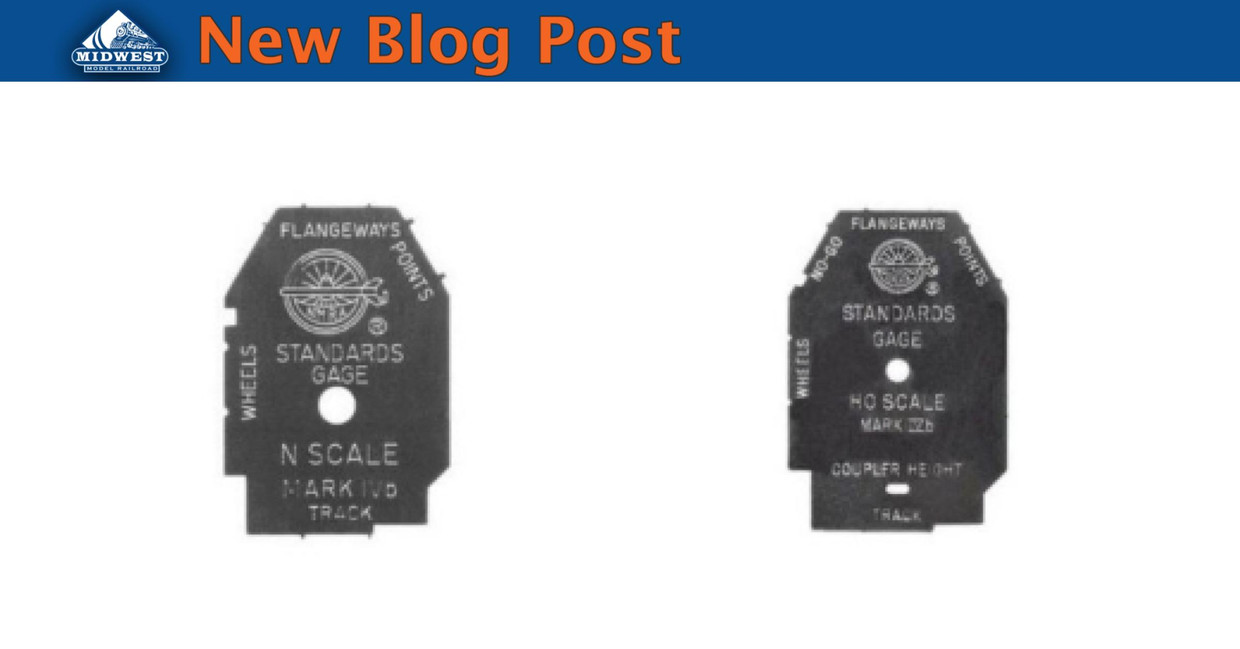
Smooth-running trains don’t happen by accident. Precise wheel spacing, correct flange depth, and accurate track gauge all contribute to reliable operation. That’s why the NMRA Standards Gauge is one of the most important tools in model railroading.
In this guide, we’ll cover what the NMRA gauge does, how to use it, and why every model railroader should keep one handy.
What Is an NMRA Standards Gauge?
The National Model Railroad Association (NMR
…
10th Sep 2025
Scenery How‑To: Realistic Ballast Application (No Mess, No Clogs)
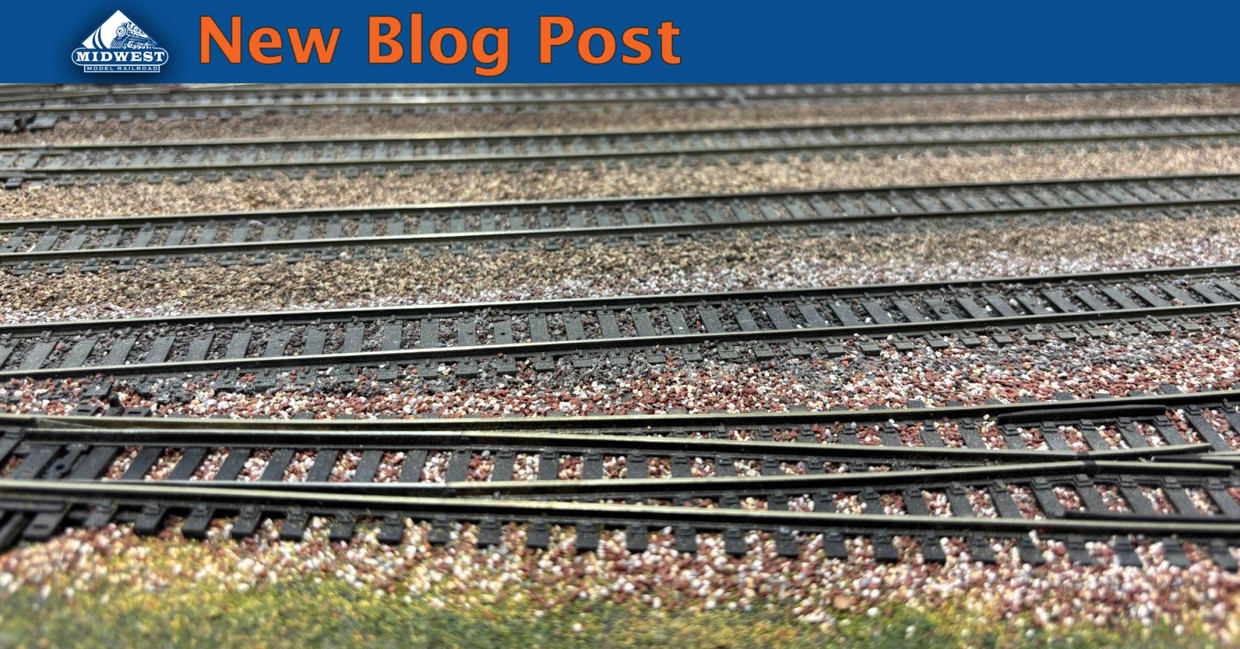
Scenery How‑To: Realistic Ballast Application (No Mess, No Clogs)
Published 2025-08-29 • 8–10 minute read
In this guide:
Materials
Prep & color matching
Spread & shape
Pre‑wetting
Glue ratios
Cleanup & curing
FAQ
Materials
Ballast (colors & grades) — blend for your region
Adhesives — matte medium or PVA
Tools — soft brush, pipettes, small spoon, vacuum with stocking
Practice on a test board first—your hands learn the flow, and you&rsquo
…
5th Sep 2025
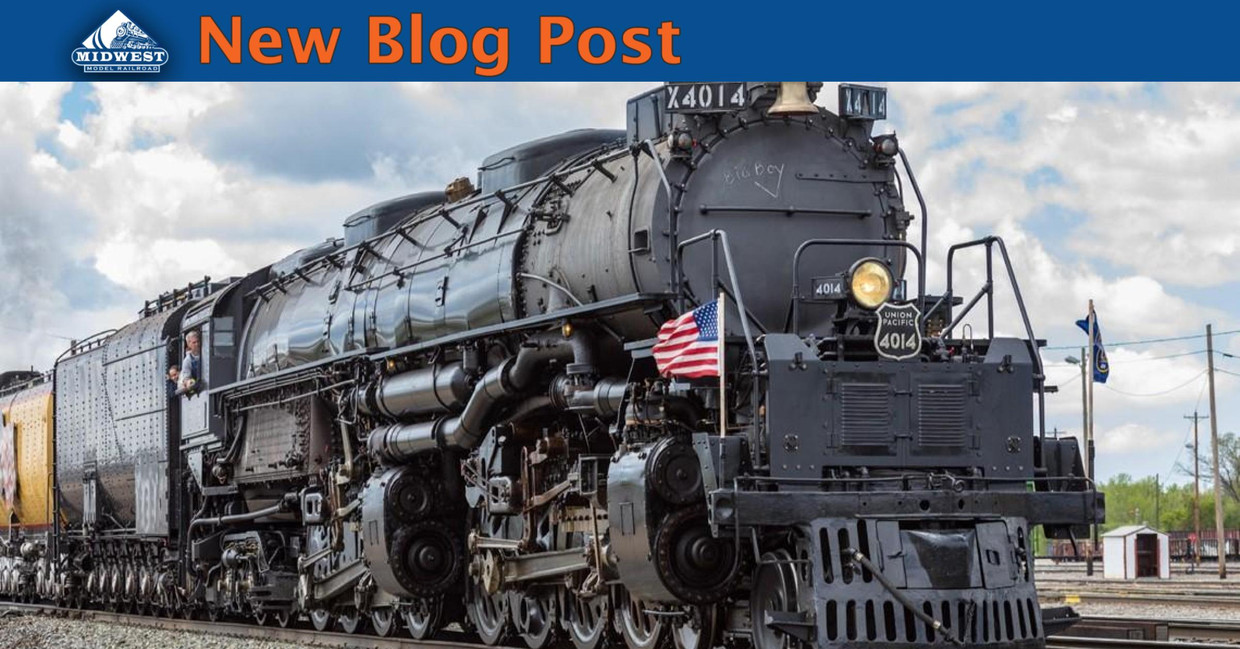
Prototype Spotlight: Union Pacific Big Boy — The 4‑8‑8‑4 Legend
Prototype Spotlight: Union Pacific Big Boy — The 4‑8‑8‑4 Legend
Published 2025-08-27 • 8–10 minute read
In this guide:
A brief history
Key specs & what they mean for modelers
Choosing a model (HO & N)
Building a believable consist
Track, curves & operation
FAQ
Union Pacific’s Big Boy is the steam era’s headline act—designed to move tonnage over the Wasatch grades without helpers. Built in the early 1940s, the 4‑8‑8‑4 arrangement put two sets o
…
3rd Sep 2025